Why Personalized Books Matter More Than You Think
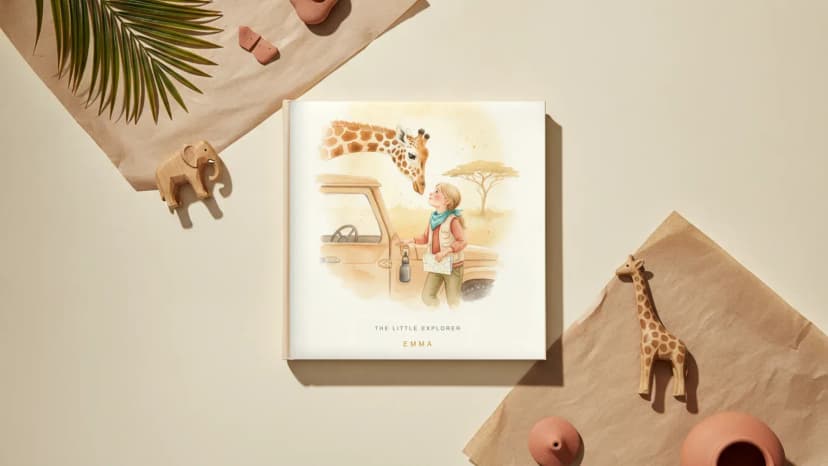
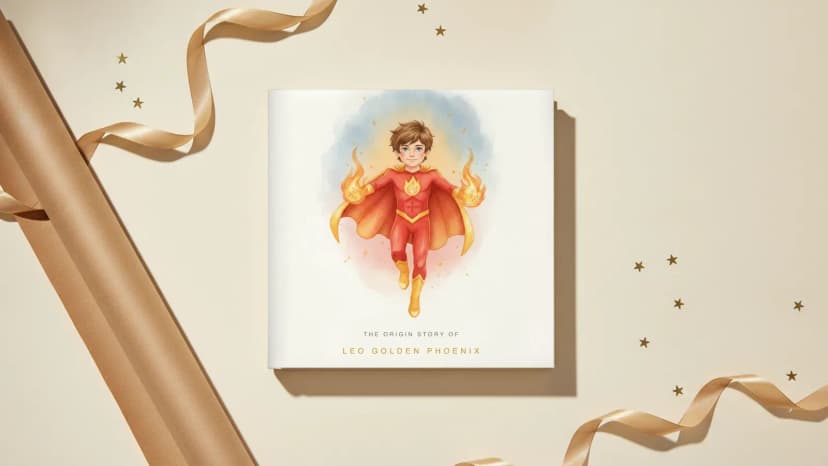
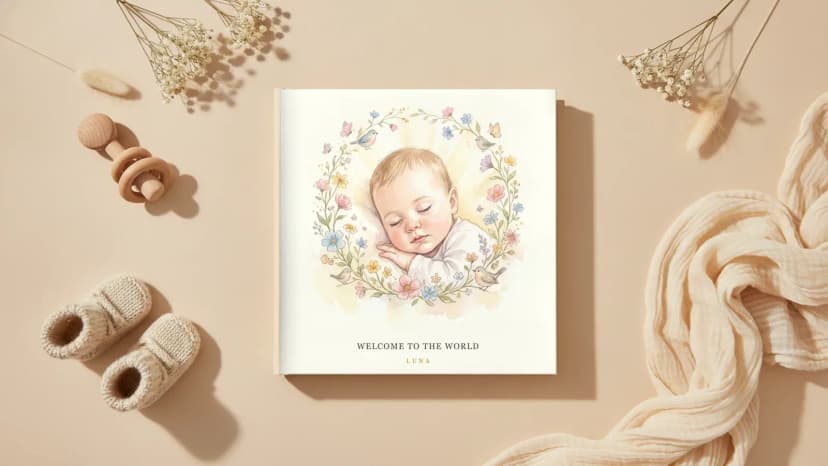
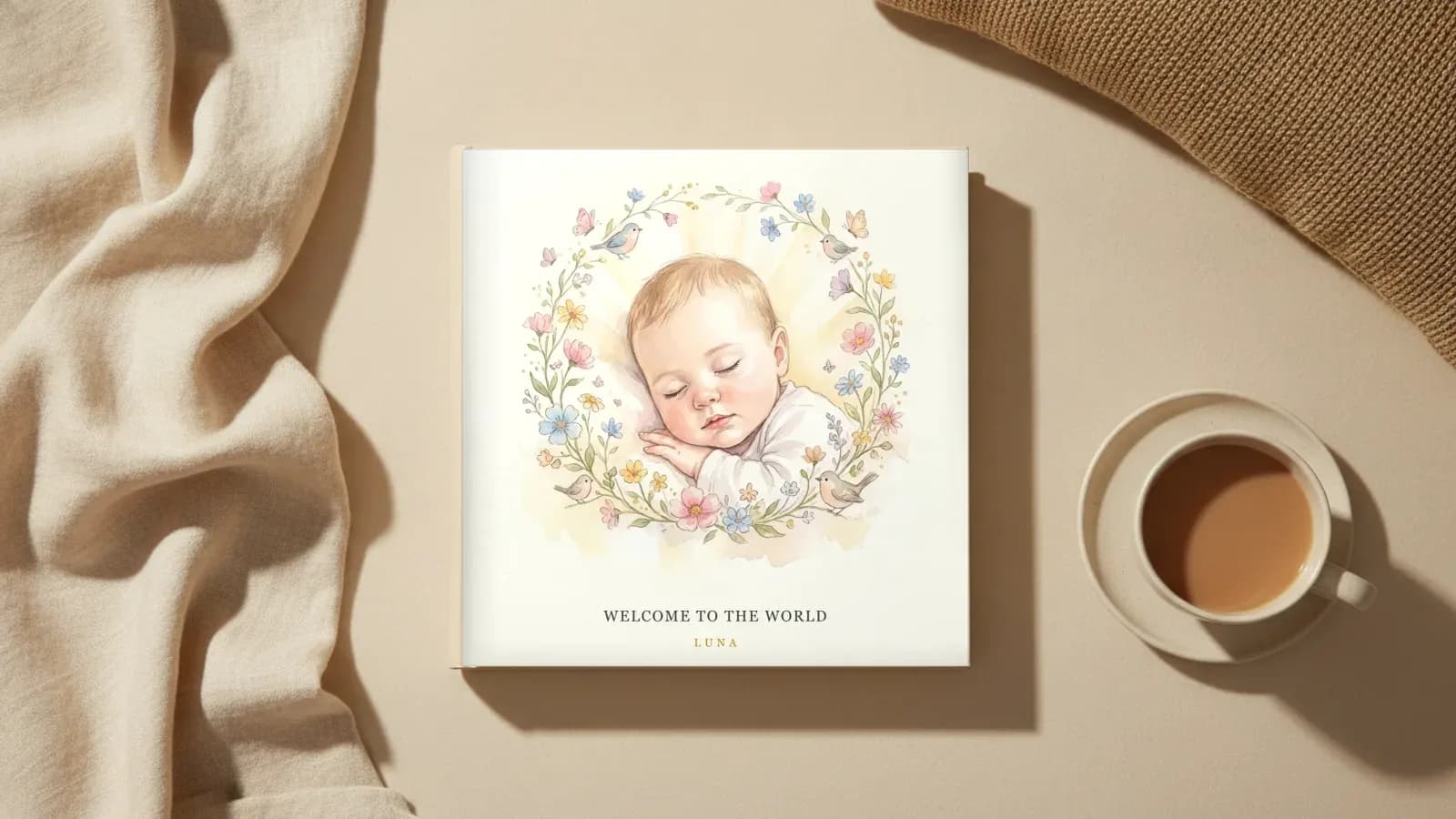
My daughter was three when she got her first personalized book. She'd been lukewarm about storytime, squirmy, distracted, always reaching for the iPad. But the moment she saw her name printed on that cover? She clutched it to her chest like a treasure. That night, for the first time, she asked me to read it twice.
I'm not the only parent with a story like this. And there's actual science behind why it works so well.
Your child's brain on their own name
Early-literacy researchers have consistently observed something remarkable: when young children encounter their own name in text, their engagement shifts almost visibly. It is not just recognition. It is a little burst of joy, a feeling of "this is about ME."
That spike matters. It transforms a passive listener into an active participant. The child isn't just hearing a story anymore. They're living inside it.
The same pattern shows up again and again across the parenting literature: personal relevance is one of the strongest predictors of whether a young child will engage with a story. Forget fancy vocabulary. Forget flashy illustrations (sorry, illustrators). A child's own name is the ultimate attention magnet.
Beyond attention: building genuine self-esteem
Here's where things get interesting beyond the lab. When a child repeatedly encounters stories where they're the hero, where they solve problems, help friends, explore strange new worlds, something shifts in how they see themselves.
The parents in our community consistently tell us the same story. Children who regularly read books where they are the hero seem to carry something of that hero into the rest of their day. This is not about inflating egos. It is about giving children a narrative framework where they matter. Where they are capable.
Think about it from a kid's perspective. Most picture books feature characters who look nothing like them, live in unfamiliar places, and have different names. That's fine. Imagination is wonderful. But sprinkling in stories where YOUR child is the brave one, the clever one, the kind one? That hits different.
Age by age: when personalization packs the biggest punch
Between ages 2 and 3, children are in the recognition phase. Toddlers are just learning that they have a name, that it belongs to them, that letters on a page can mean something. A personalized book at this age is pure wonder. They don't need complex plots. Just seeing their name alongside bright images is enough to create a positive association with books.
The real power kicks in around 4 to 5. Children at this age are developing what psychologists call "narrative identity" and they're beginning to understand stories as a way to make sense of the world. When they're IN the story, they absorb its lessons more deeply. A personalized book about sharing, about courage, about being kind to a new classmate? It sticks in a way that generic stories simply don't.
Once kids reach 6 to 8, independent readers are building confidence. A personalized chapter book or adventure story gives them ownership over their reading life. We've heard from dozens of parents who say their reluctant readers finally picked up a book on their own, because it was THEIR book.
What about the 9 to 10 crowd? Older kids appreciate the thoughtfulness of a personalized gift. They won't necessarily curl up with it every night, but they'll keep it on their shelf. Years later, many of them still remember it as "that book with my name in it." That's the kind of reading memory that lasts.
How personalized books compare to regular picture books
Let me be clear: regular children's books are wonderful. Libraries are sacred. We're not suggesting you replace Goodnight Moon with a personalized version (though... we could probably make a pretty great one). If you're curious about the difference, we wrote a full comparison in Personalized Books vs Regular Books.
But personalized books fill a gap that traditional publishing can't. They tell your child: someone made this just for you. In a world of mass production, of endless screen content, of disposable entertainment. A book with your name woven through every page is a radical act of attention.
Parents tell us their kids treat personalized books differently than other books. They handle them more carefully. They bring them to show-and-tell. They read them to their stuffed animals. One mom told us her son insisted on sleeping with his personalized book under his pillow for three months straight.
The family bonding piece
There's one more angle that doesn't get enough attention: what personalized books do for the parent-child relationship during reading time.
When you read a story that features your child's name, something shifts in the room. You're not just performing a story. You're telling YOUR child THEIR story. Eye contact increases. Laughter comes more easily. The child interrupts more (in a good way) with observations and questions.
Bedtime stops being a chore you power through and becomes a genuine moment of connection. And honestly? Those moments are what childhood is built on.
Want to see what a personalized story looks like for your child? Try our creation wizard. It takes about five minutes, and the preview is free.