Personalized Books vs Regular Books: What Makes Custom Children's Books Different
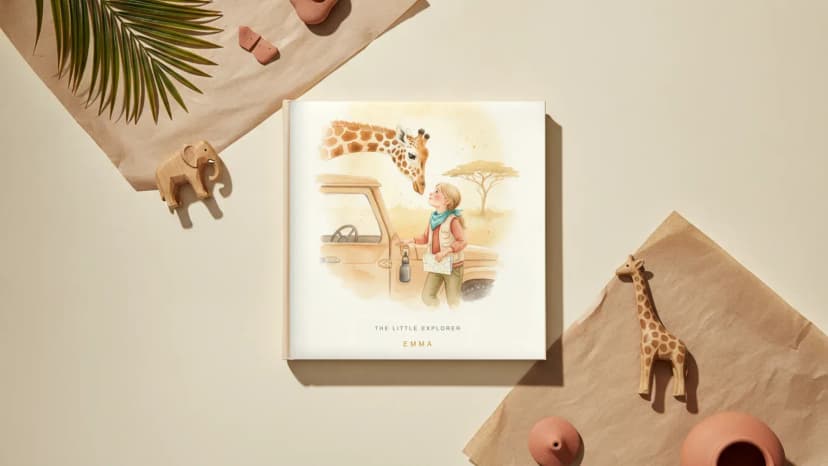
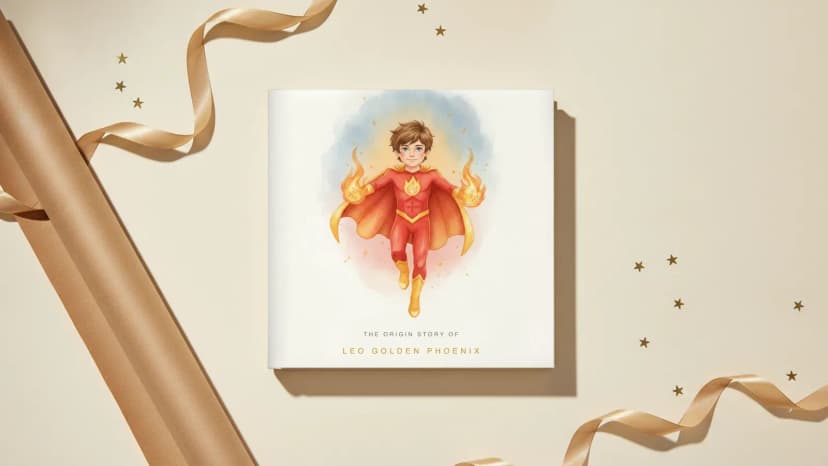
My nephew has roughly 80 books in his bedroom. Good ones, too. Classics, award winners, beautifully illustrated stories from independent publishers. He's lucky. But when his grandmother asks him to pick a book for bedtime, he grabs the same one every single time: the personalized adventure where he's the main character.
His mom finds it both flattering and mildly frustrating. "We spent hundreds on that collection," she told me. "And he only wants the one with his name in it."
So what exactly makes personalized children's books different from regular ones? And is the difference real, or just novelty?
After three years of watching families interact with both types, we have some clear answers.
The engagement gap is measurable
Let's start with data. Watch a young child read a personalized picture book next to a generic one and the difference is easy to see. They linger longer on each page. They point at the illustrations more often. They ask more questions. And they ask for a re-read while the book is still open on their lap.
The pattern echoes what early-literacy researchers describe as self-referential anchoring. When a child sees their own name, their brain shifts from passive reception to active participation. They're no longer observing a story. They're inside it.
This doesn't mean regular books are bad. Far from it. A well-written picture book by a talented author is a work of art, and no personalized book can replicate the specific genius of, say, Maurice Sendak or Oliver Jeffers. But in terms of raw engagement, especially for reluctant readers, personalized books have a measurable edge.
Emotional connection runs deeper
Here's something we hear from parents constantly: "She treats that book like it's precious."
Regular books get tossed in bins, left on floors, occasionally used as building blocks (no judgment, we've all been there). But personalized books tend to get shelved carefully, carried around the house, shown to visitors. One family told us their son sleeps with his personalized book next to his pillow. He's been doing it for months on end.
Why? Because there's a sense of ownership that goes beyond possession. The child didn't just receive this book. It was made FOR them. Their name is on the cover. Their face (or a character that looks like them) appears on every page. That creates an emotional bond that a generic story, no matter how well written, simply can't replicate.
This bond has real developmental benefits. Children who feel emotionally connected to reading materials are more likely to develop positive associations with books in general. A personalized book can be the gateway that turns a screen-loving toddler into a bookworm.
Where regular books still win
Let's be fair. Regular books have strengths that personalized books don't.
Literary quality. The best children's authors spend years perfecting a single manuscript. They work with editors, revise obsessively, test their stories on real children. A personalized book, by its nature, uses a template structure that allows for name insertion and character customization. The storytelling is good (we work very hard on this), but it's a different craft than what a dedicated author produces over months or years.
Diversity of perspective. Regular books introduce children to characters who are different from them. A child named Emma reads about a boy named Kofi in Ghana, or a girl named Mei in Tokyo. This expansion of worldview is vital, and personalized books, which center the child as the hero, serve a different purpose.
Library and sharing culture. You can lend a regular book to a friend. A personalized book, by definition, belongs to one child. Both experiences matter: sharing teaches generosity, while owning teaches care.
The honest answer is that kids need both. Regular books for breadth. Personalized books for depth.
The sweet spot: when to choose personalized
Personalized books shine brightest in specific situations.
Reluctant readers. If your child resists books, a personalized story is the most effective tool we've found. The pull of seeing their own name in print is strong enough to overcome most resistance. We've had parents tell us it was the turning point.
Big life transitions. New sibling, first day of school, a move to a new city. During times of change, children crave reassurance. A story where they're brave, capable, and loved hits differently when they're feeling uncertain. Create your book around these moments and you'll see the impact firsthand.
Gift occasions. A personalized book stands out in a pile of generic presents. It says: someone thought about you specifically. At a birthday party with 15 wrapped gifts, it's the one the child remembers.
Bedtime ritual anchors. Many families use a personalized book as the bedtime constant. Other books rotate, but the personalized one stays in the lineup permanently because the child insists.
Quality matters more than format
Not all personalized books are created equal. The market is full of cheap options that simply stamp a name onto a generic template with clip-art illustrations. These give personalization a bad reputation.
What separates a quality personalized book from a forgettable one:
- The name appears naturally in the narrative, not forced into every sentence - Illustrations are original, not stock images with a name photoshopped on top - The story has an actual arc, with tension, growth, and resolution - Print quality matches or exceeds what you'd find in a bookstore - The character can be customized to actually resemble the child
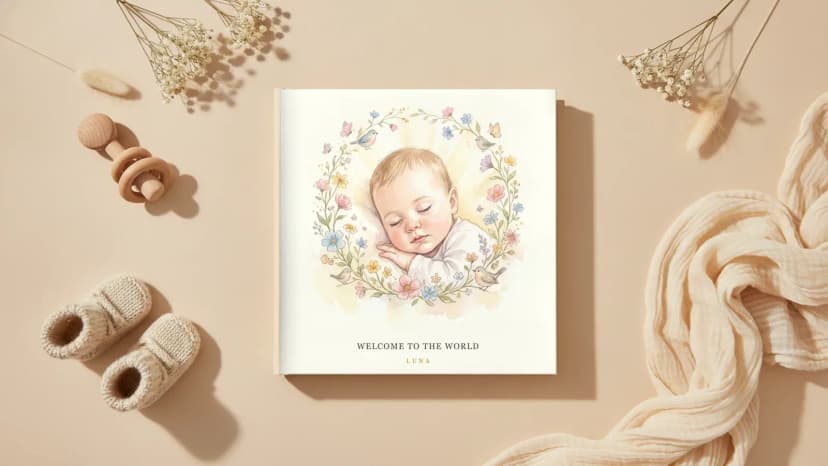
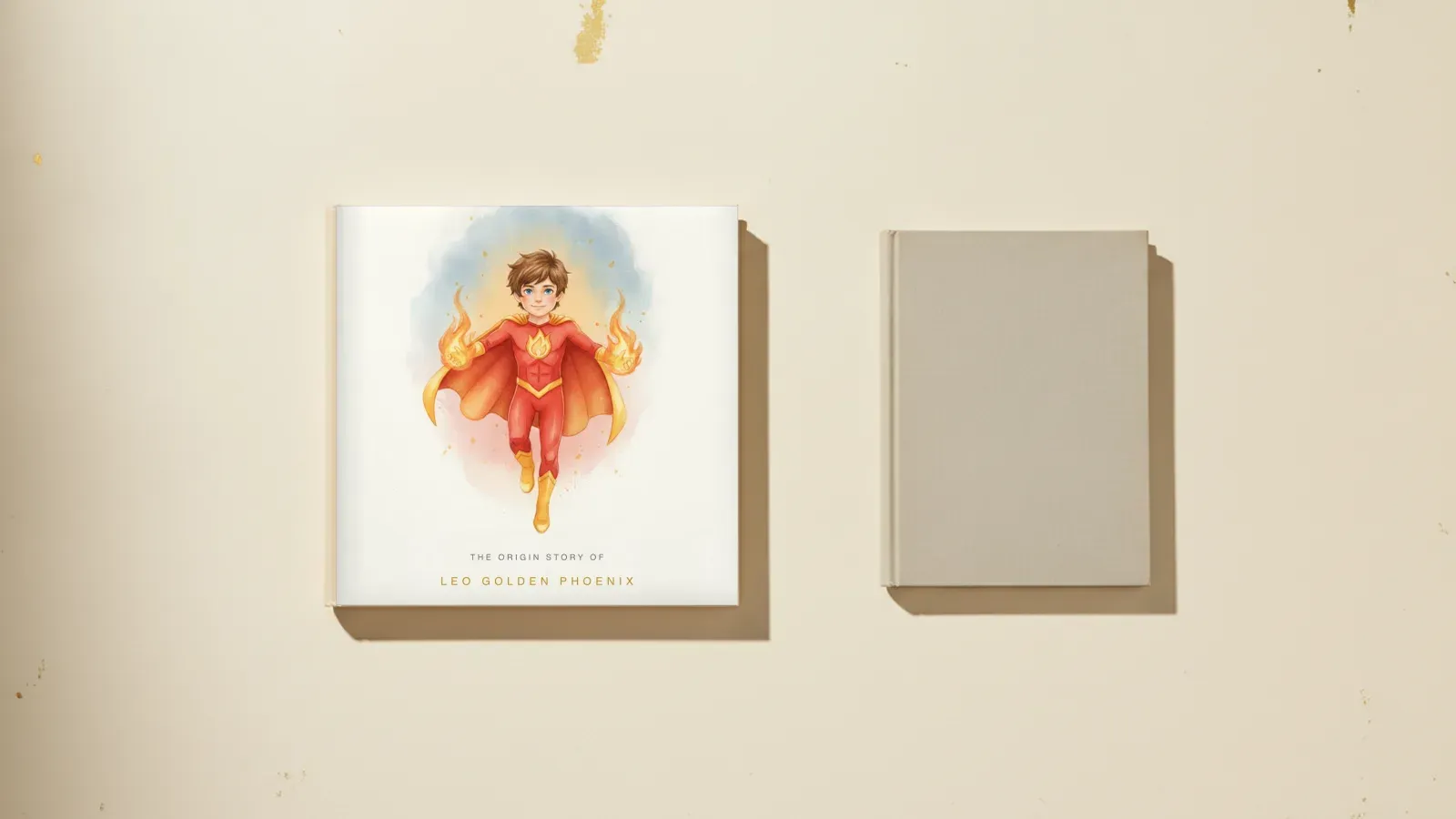
At Spark Stories, we obsess over these details. Our stories are crafted with care by people who love children's literature. Our illustrations carry the warmth of hand-painted watercolor. And every book is printed on demand on FSC-certified paper using vivid digital color, so each copy is made fresh just for the family who ordered it.
Building a balanced bookshelf
The best approach we've seen is what one librarian mom called the "80/20 shelf." About 80% regular books (a healthy mix of fiction, nonfiction, and poetry from diverse authors) and 20% personalized books that anchor the child's identity as a reader.
The regular books teach empathy, expand vocabulary, and introduce new worlds. The personalized books keep the child coming back, reinforce self-confidence, and make reading feel personal and joyful.
Together, they build a reader for life.
Ready to add that personal touch to your child's bookshelf? Browse our books and find the perfect story for your little one.