How We Print Our Books (And Why the Wait Is Worth It)
When people ask why our books take around two weeks to arrive instead of two days, we understand the question. We live in a world where you can order a blender at 11 PM and find it on your doorstep by morning. Waiting feels almost quaint.
But there is a reason we do things slower. And once you understand what happens between the moment you click "order" and the moment that package arrives, we think you will agree: some things are worth waiting for.
Made just for you, not for a warehouse
We do not keep stacks of finished books on shelves. There is no warehouse full of pre-printed copies waiting to find a family. We could not, even if we wanted to. Every Spark Stories book is unique. The name on the cover, the small details inside, the choices that shape the story, none of it exists until someone places an order.
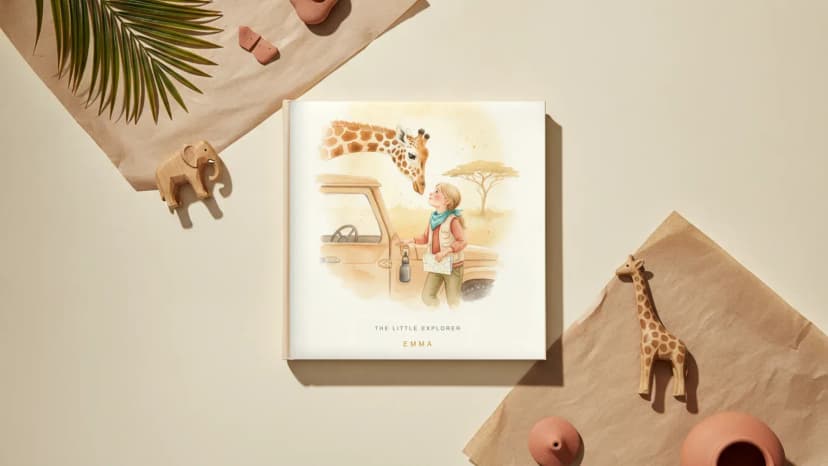
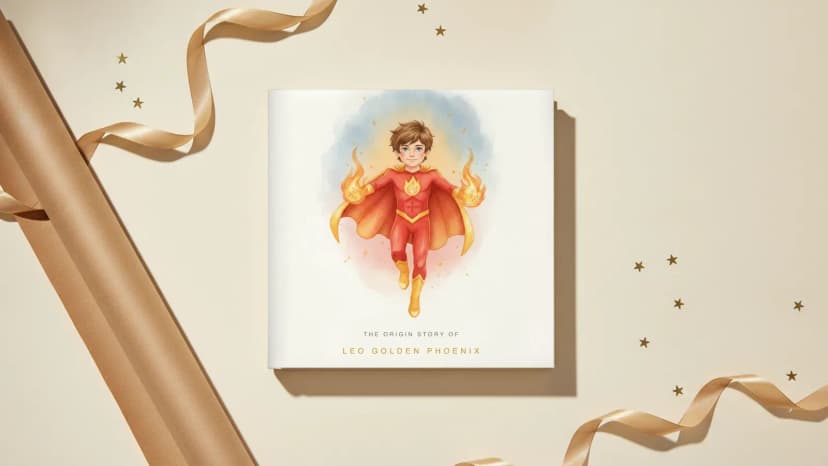
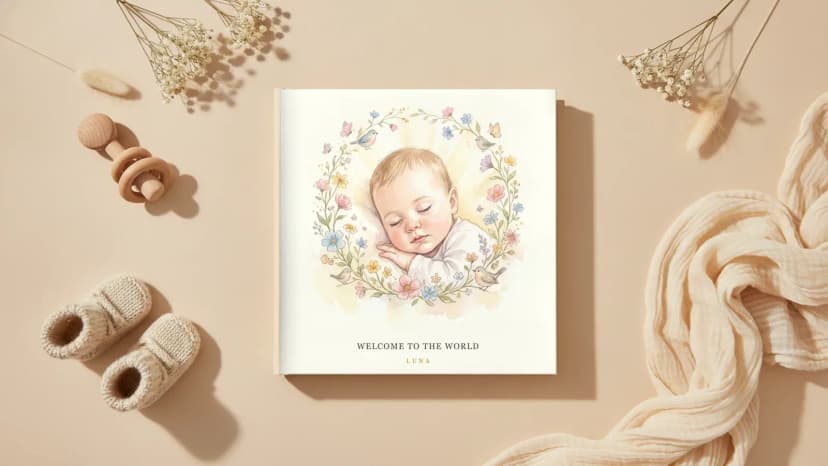
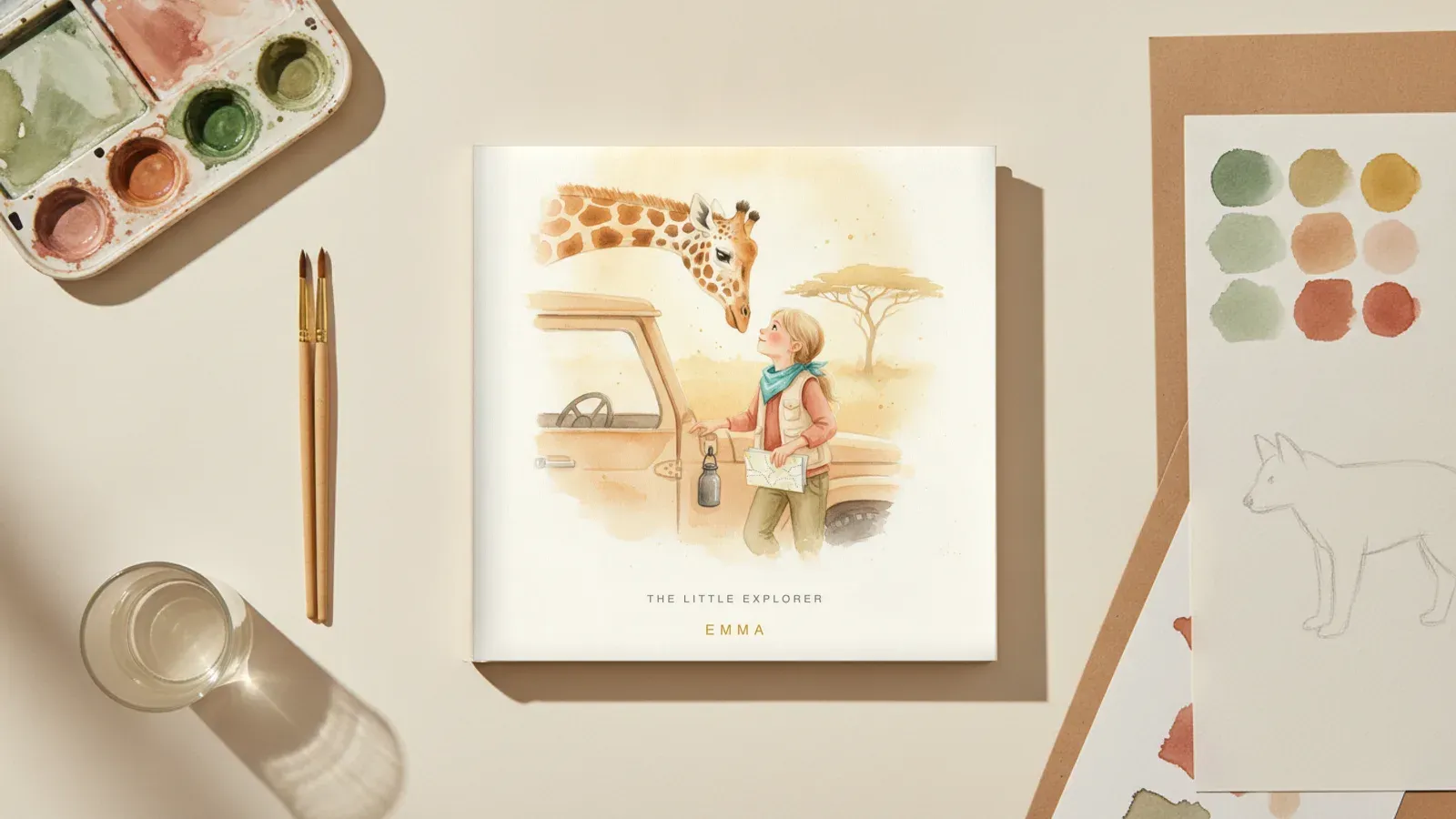
This is what made-to-order really means. Each copy is crafted for one specific family, one specific reader, one specific moment. The wait you experience is the time it takes to bring a book that did not exist into the world. Fifty pages across 24 illustrated spreads, personalized text, watercolor illustrations, a cover with your child's name on it: all created, printed, bound, packed, and shipped on purpose, for one home.
The upside of this slower model is something we feel strongly about. No overstock. No piles of unwanted books getting pulped at the end of a season. No shelves of yellowing copies sitting in storage for years. Every tree that contributed to your book contributed to a book that someone actually wanted.
What happens during the first hour
Within a minute of checkout, the configuration you spent time crafting (the name, the traits, the theme, the dedication) flows into our production system. We assemble the unique layout: the name slips into the text where it belongs, the right character illustrations come together, the personalized artwork composes itself onto the page templates.
This part is quick. The story takes shape in just a few minutes.
Then the careful part begins. Every order is reviewed before it goes to print. We check that the name is spelled correctly across every page, that the illustrations sit properly inside the page, that the colors carry through, that the cover and spine line up. If anything looks off, we fix it before the file ever reaches the printer.
Most mass-market publishers skip this step entirely because they print thousands of identical copies. We are not making thousands of identical copies. We are making one book, for one family, and it has to be right.
The paper: FSC-certified, two formats
Forests matter to us. So does honesty about where things come from. Our books are printed on FSC-certified paper, which means the wood pulp comes from forests that are managed responsibly. Trees are replanted. Biodiversity is protected. Communities and workers around the forests are treated fairly.
FSC certification is not the cheapest option on the market. It is the option that lets us look our customers in the eye and say honestly: the paper in your child's book did not come at the cost of an unmanaged forest somewhere on the other side of the world.
We offer two formats, each with its own paper character:
Softcover uses 170gsm matte FSC paper inside, with a laminated cover. The pages have a soft, gallery-print quality that resists fingerprints, reduces glare under a bedside lamp, and lets watercolor illustrations breathe.
Hardcover uses thicker stock and a rigid case-bound cover. It is the format that feels like an heirloom from the moment you lift it. Heavier in the hand, calmer when it sits on a shelf, ready for a decade of nightly readings.
The print: vibrant digital color
Because every book is unique, we print digitally. Modern digital color printing is genuinely beautiful, especially for the watercolor style that runs through our books. Skin tones come out smooth and warm, sky gradients stay even, and the soft washes that make a watercolor illustration feel alive carry over to the page.
Good digital printing is not a compromise. It is the technology that makes one-of-a-kind books possible at all. Without it, personalization at this scale would not exist, and your child would not be opening a book with their own name on the cover.
The binding: built to be loved
Children's books take a beating. They get bent, dropped, stepped on, read four hundred times, occasionally chewed. Couples books and family keepsakes have an easier life, but they still need to last on a shelf for years. Our binding reflects that reality.
The softcover edition is perfect-bound: the pages are glued into a flexible spine and protected by a laminated cover. The pages do not fall out. The book bends and travels well, fitting into a tote bag or sliding into a stocking on a Christmas morning.
The hardcover edition is case-bound: the pages are bound into a rigid cover that gives the book real presence on a shelf. It is the format that ages well, that survives moves and bedtime spills, that ends up in a memory box years later because nobody had the heart to part with it.
Both formats are durable. Both are made to survive being loved.
The packaging: arrival matters
The softcover books ship in rigid cardboard mailers that keep the corners sharp and the cover flat. Hardcover editions travel in sturdier boxes with just enough padding to absorb the bumps of an international journey.
We use as little packaging as possible. No plastic wrap, no excess filler, no useless layers. The materials we do use are recyclable cardboard, including the boxes themselves. It is the kind of packaging you can drop into the recycling bin without guilt, then keep the book that came inside it for a very long time.
Why we chose this slower model
We could have built something faster. We could have printed thousands of generic books in advance, stamped a name onto a few pages, and shipped them next day. Plenty of companies do that.
We did not, for two reasons. The first is sustainability: a made-to-order model means we never produce a book that nobody asked for. No warehouse stockpile, no leftovers heading to a recycling truck, no waste built into the system. The trees that became your book became a book that has a home.
The second reason is honesty. Pricing in our world is transparent because the cost is real. The paper is real, the printing is real, the binding is real, the shipping is real. There is no hidden margin from tens of thousands of unsold copies. You pay for a book that someone made, on purpose, for the family on the shipping label.
The wait is the gift
So yes, your book takes longer than a same-day delivery. Production takes 3 to 5 business days, and your book arrives within 5 to 12 business days of your order. It takes longer because the book did not exist before you ordered it. Because someone checked that the name looks right on every page. Because the paper came from a forest that is being looked after. Because the printing, the binding, and the packaging all happened on purpose, for one specific child or family.
When that package finally arrives, and the recipient tears it open, and you see their face when they find their own name on the first page, you will not be thinking about the wait time.
You will be thinking: this was made with care, just for us.
Create your book and see the quality for yourself. Curious what the illustrations themselves look like? Read Behind the Illustrations for the full story.